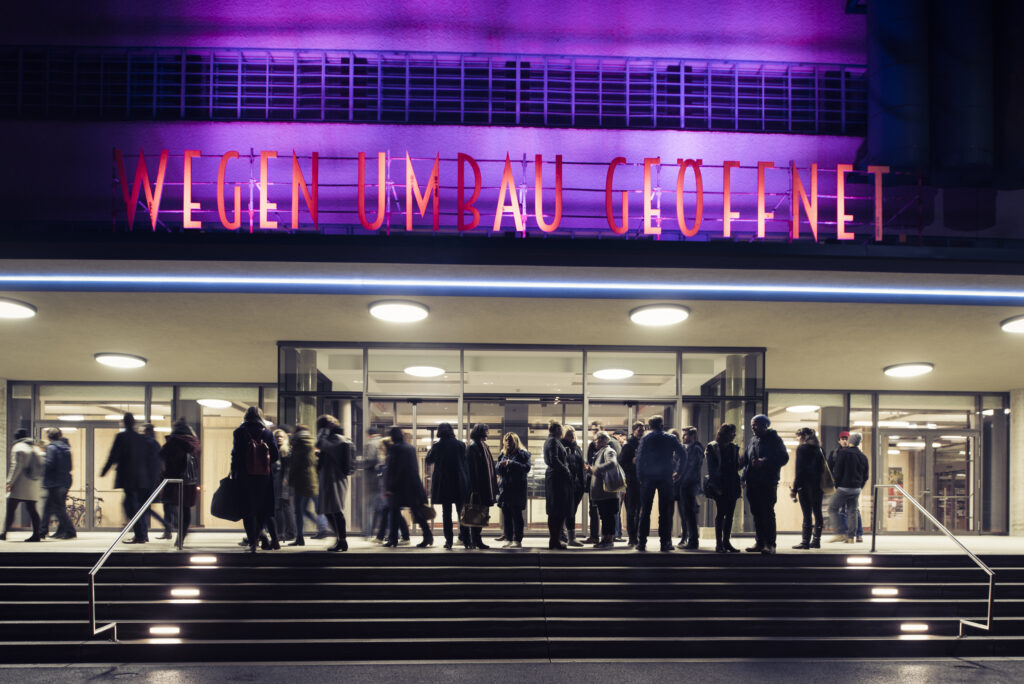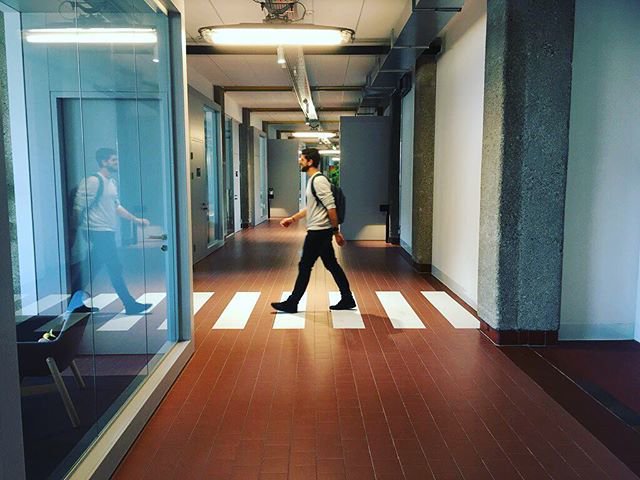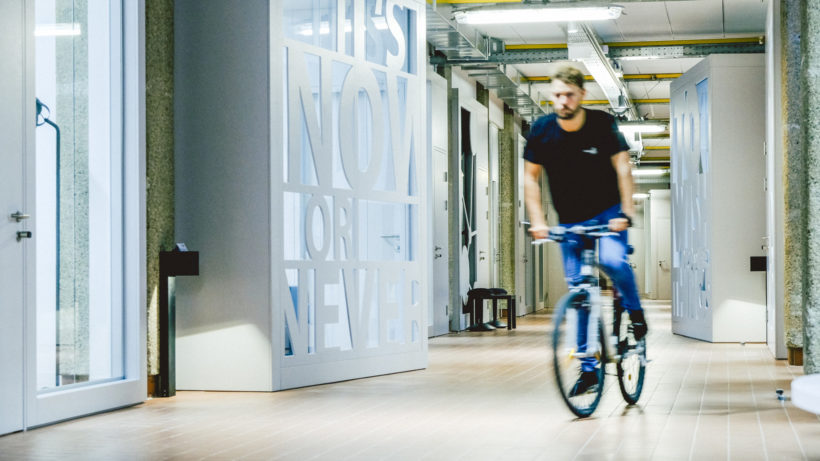
Open for renovation – handed over due to full occupancy. From 2012, Chris Müller steered the development of Tabakfabrik Linz – initially as interim use coordinator, from 2013 as Director of Development, Design and Artistic Agendas. In line with the innovation cycle, he handed over a leased-out area in the profit zone in 2023, which was hashtagged #glow by forbes magazine.
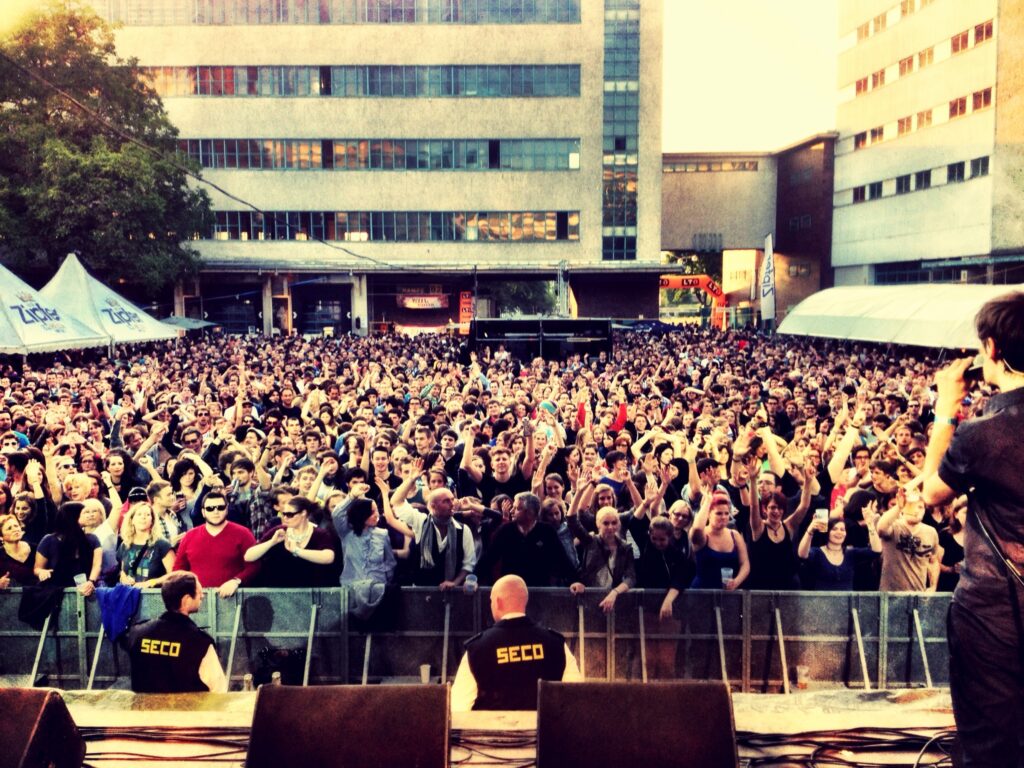
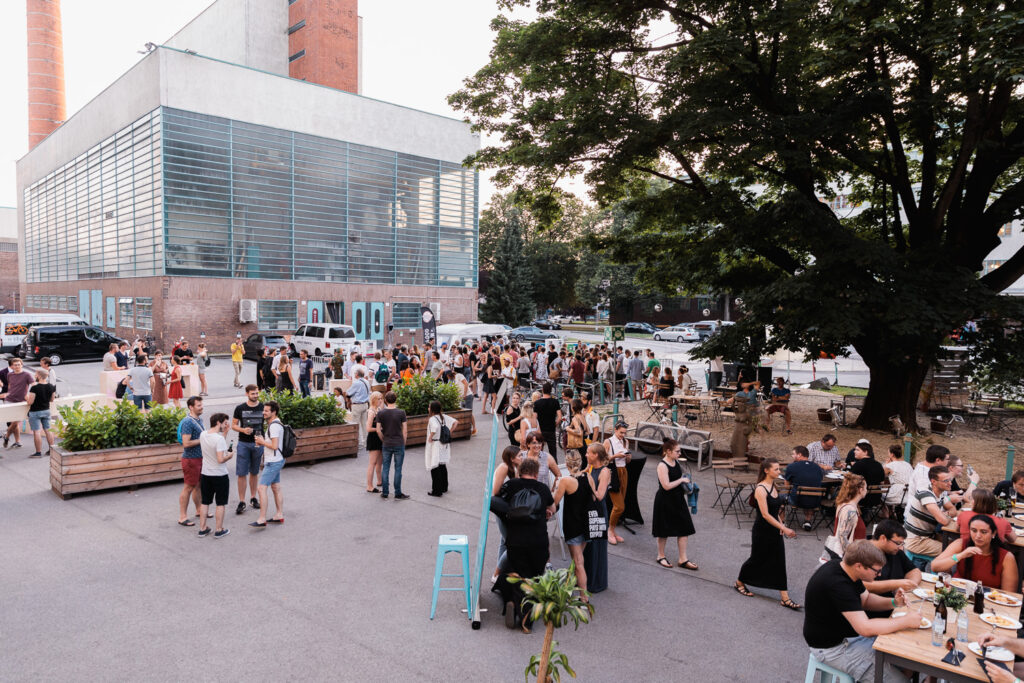
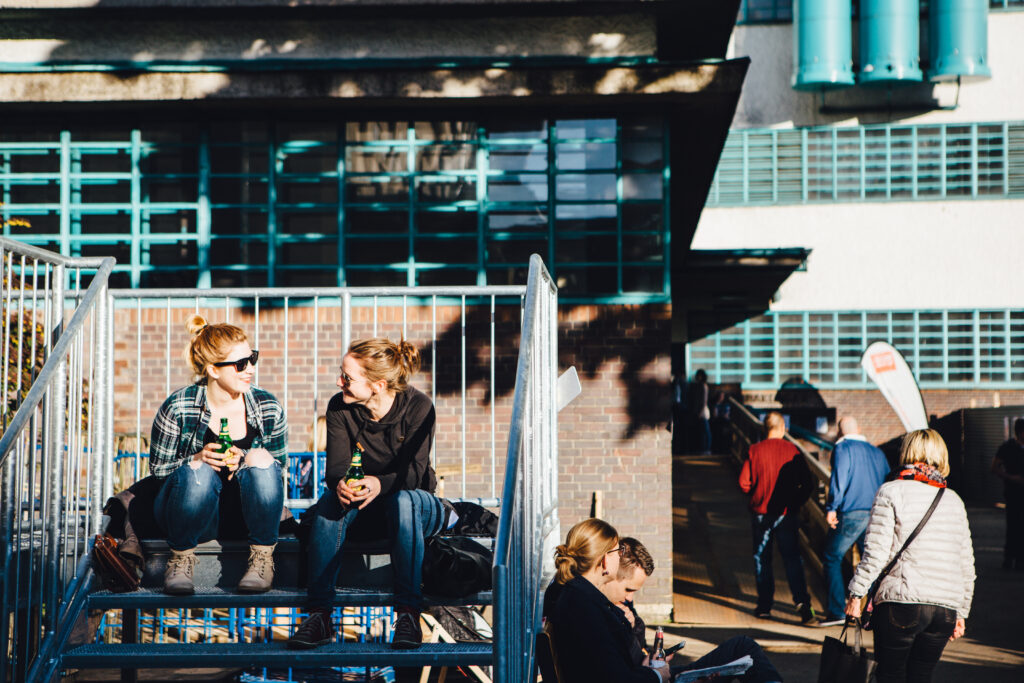
To this day, the site has attracted more than 2.5 million visitors through new event formats. My multi-professional team proved that an industrial wasteland can be transformed into an international best-practice example – with the additional challenges of the inner-city location and monument protection.
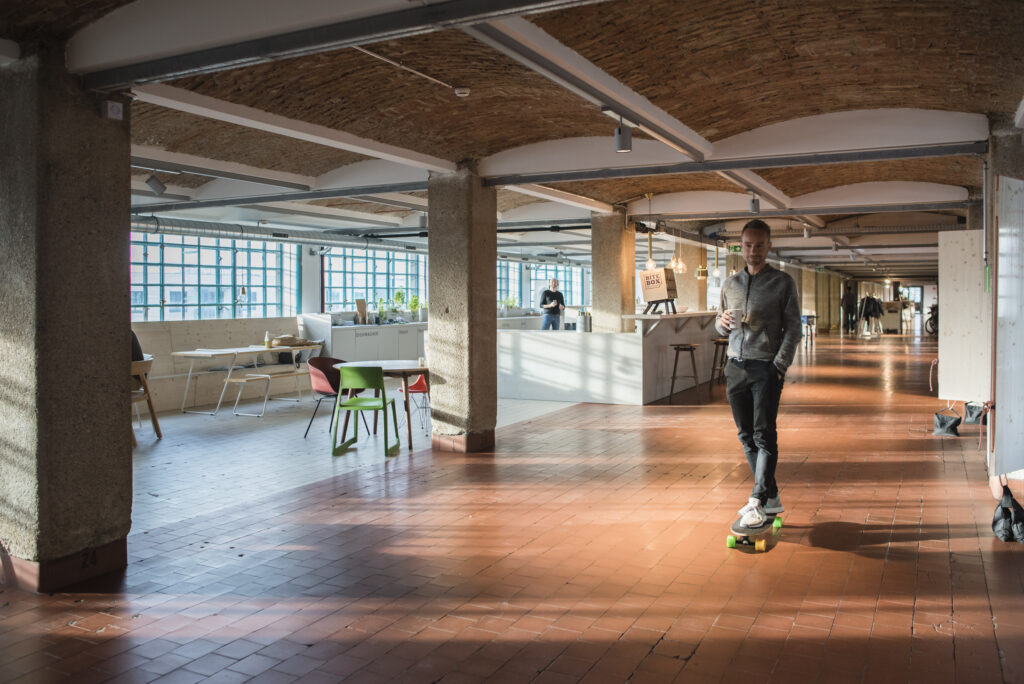
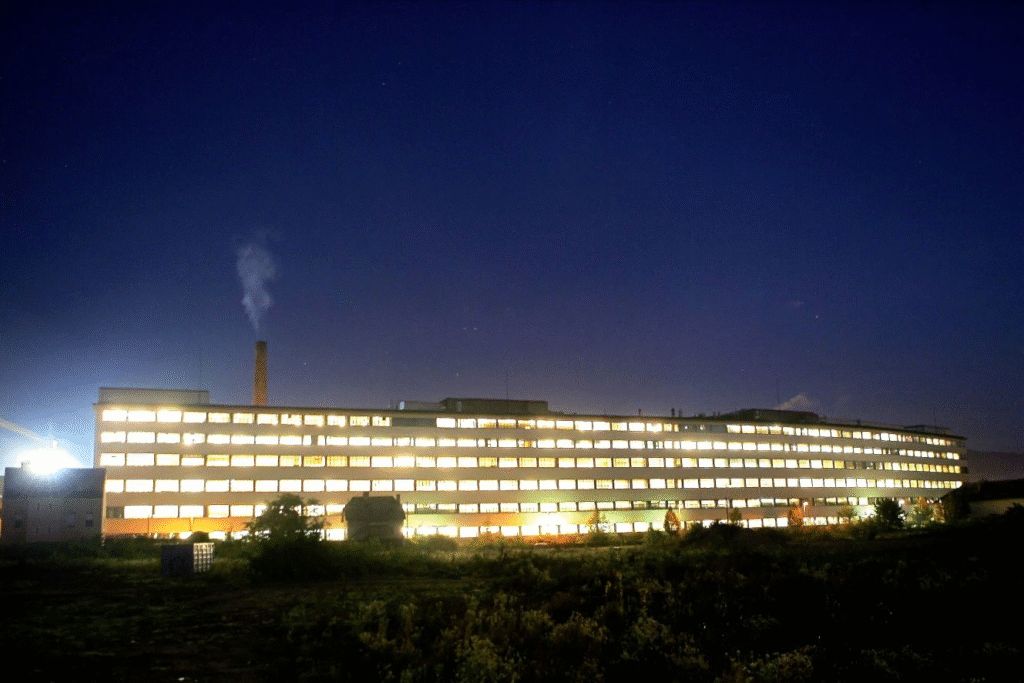
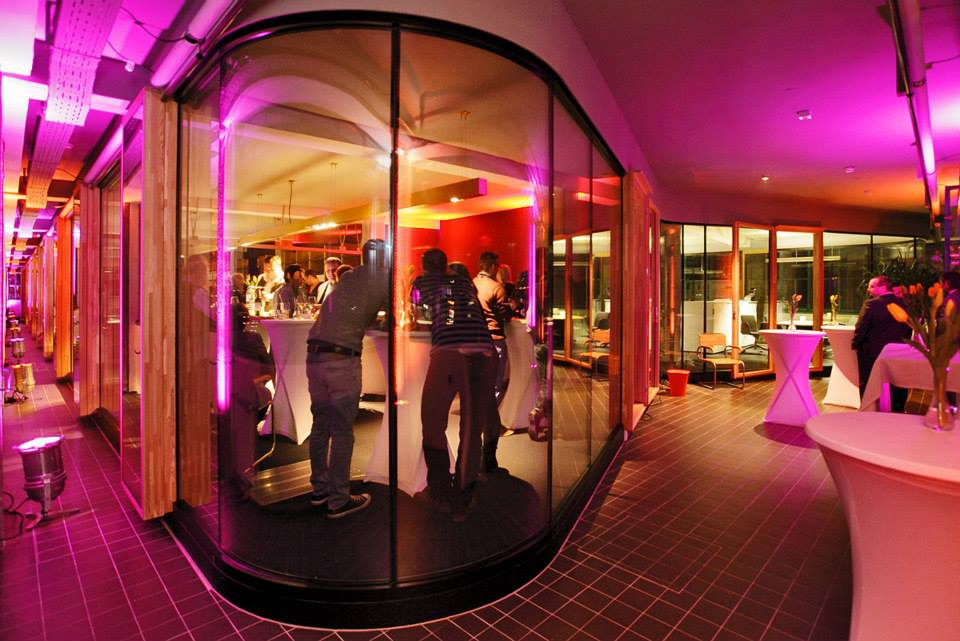
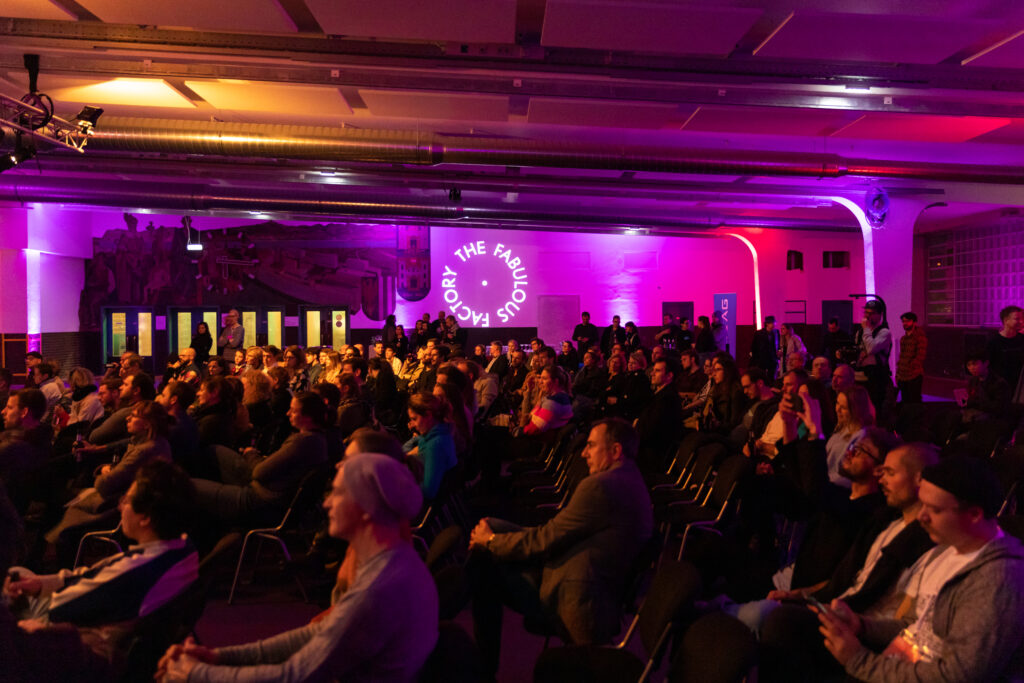
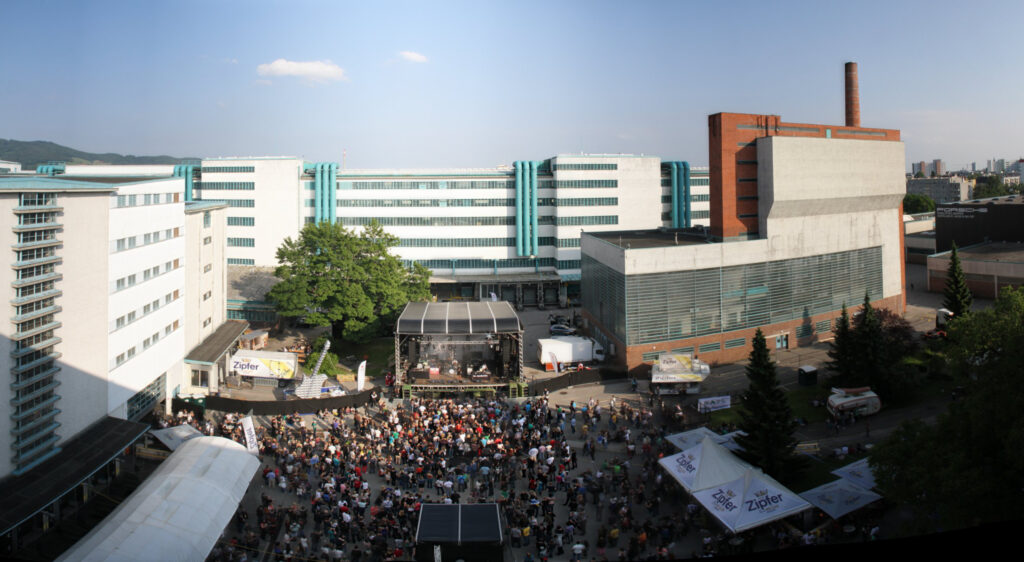
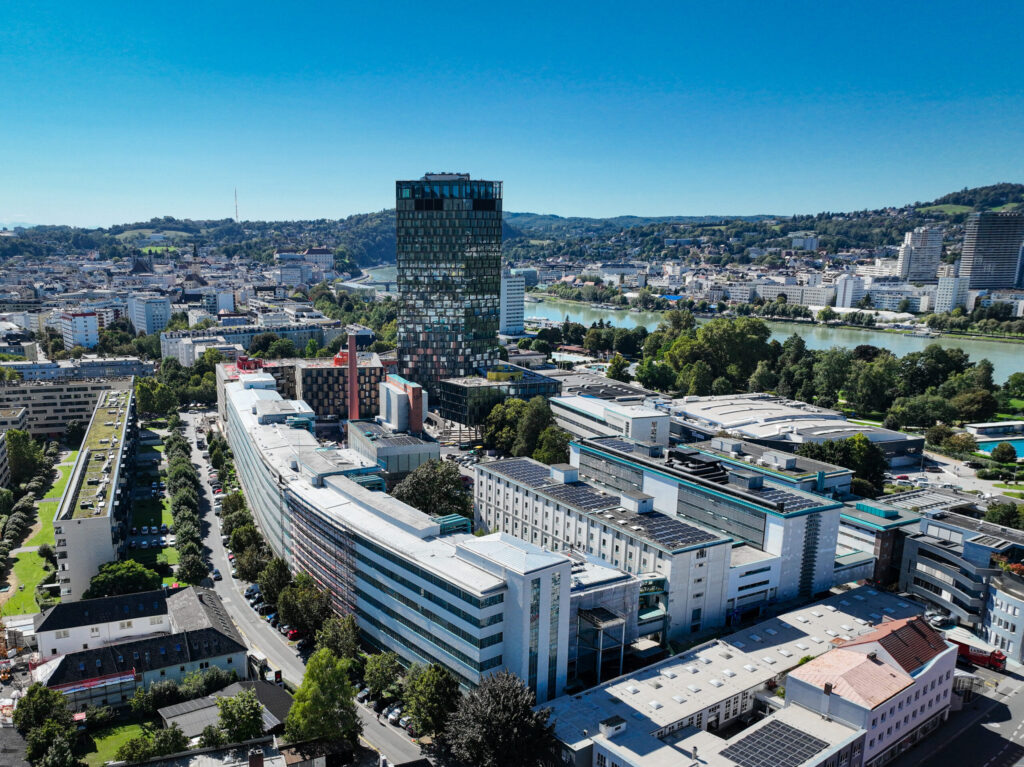
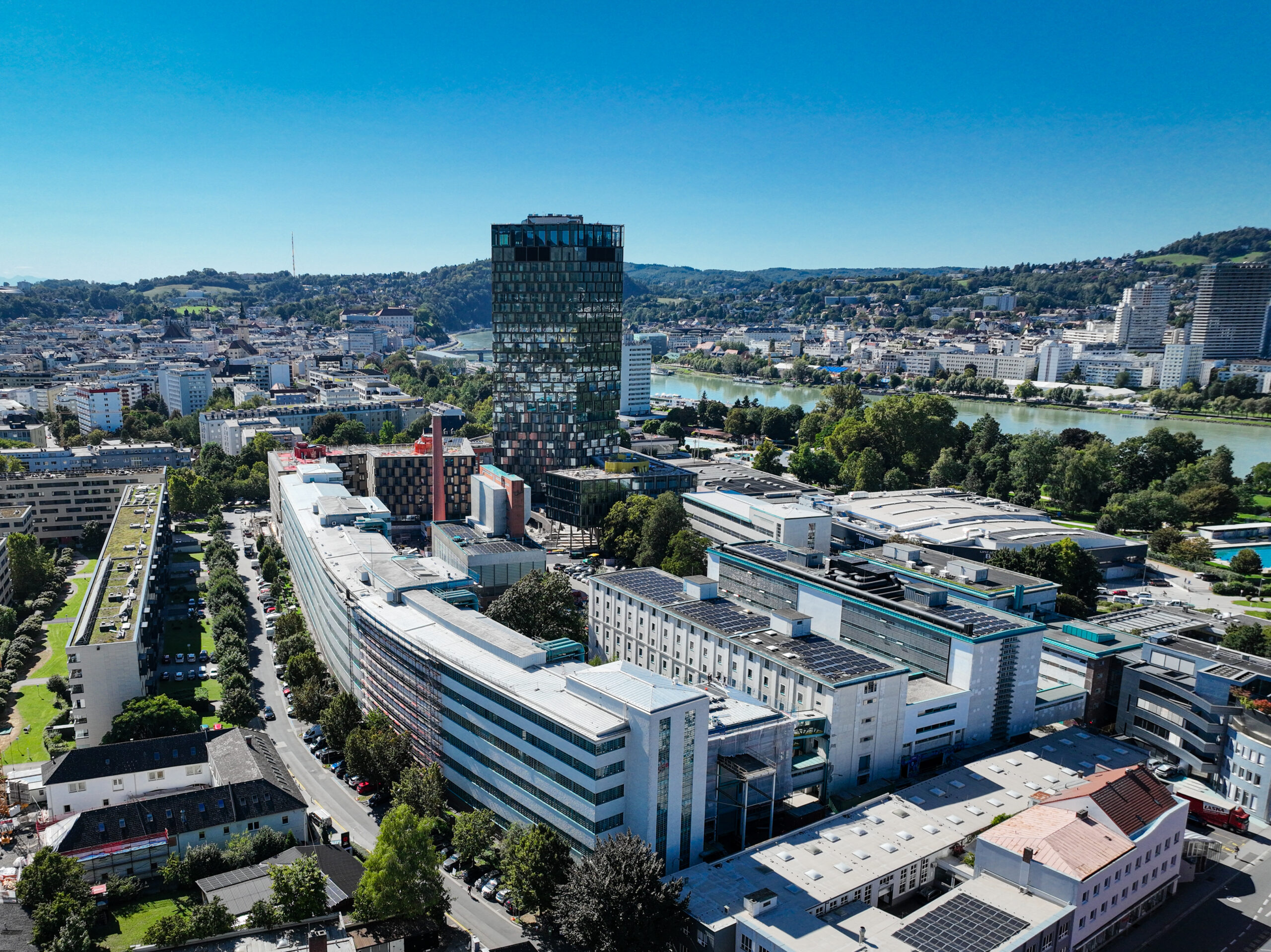
Acquired by the city of Linz after the closure of cigarette production in 2009, the former “Tschickbude” has been transformed in recent years into a creative and educational campus, a hub for innovation, IT, digitalization and start-ups, which is also considered a flagship for the revitalization of listed architecture. With blockbuster exhibitions such as “Tutankhamun”, “Titanic”, “Body Worlds” and “The Mystery of Banksy”, the area was opened to the public and attracted many visitors from all over Austria. In 2015, the event rooms were converted into a warming shelter for refugees at short notice and with the help of the local population.
The success can also be measured in figures: In combination with the Quadrill new-build project, which started a long time ago, around 5,000 people will have access to a job at the Tabakfabrik site in 2025/26. 500 of them will also live on Peter-Behrens-Platz.
Settlement strategy & community management as a recipe for success
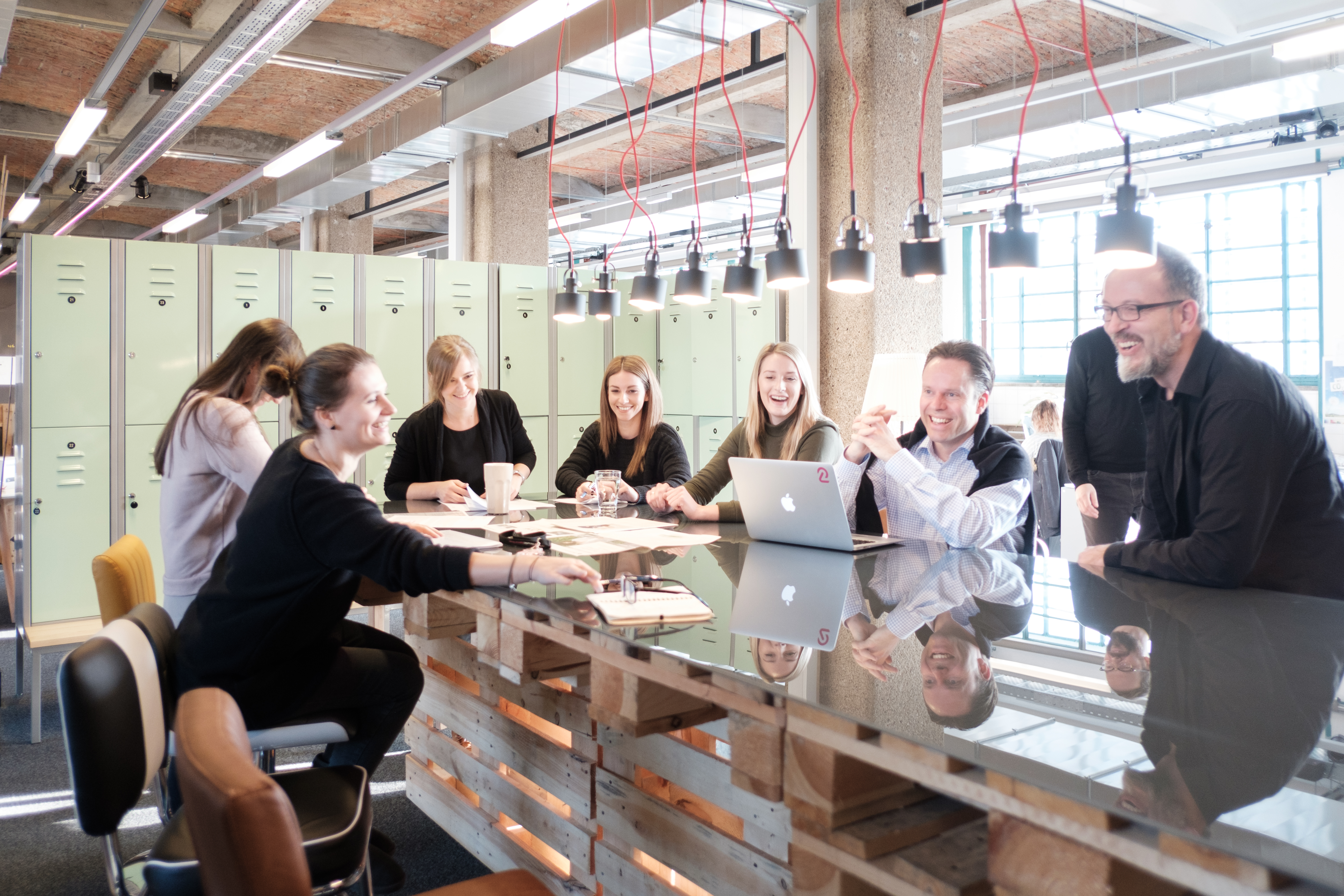
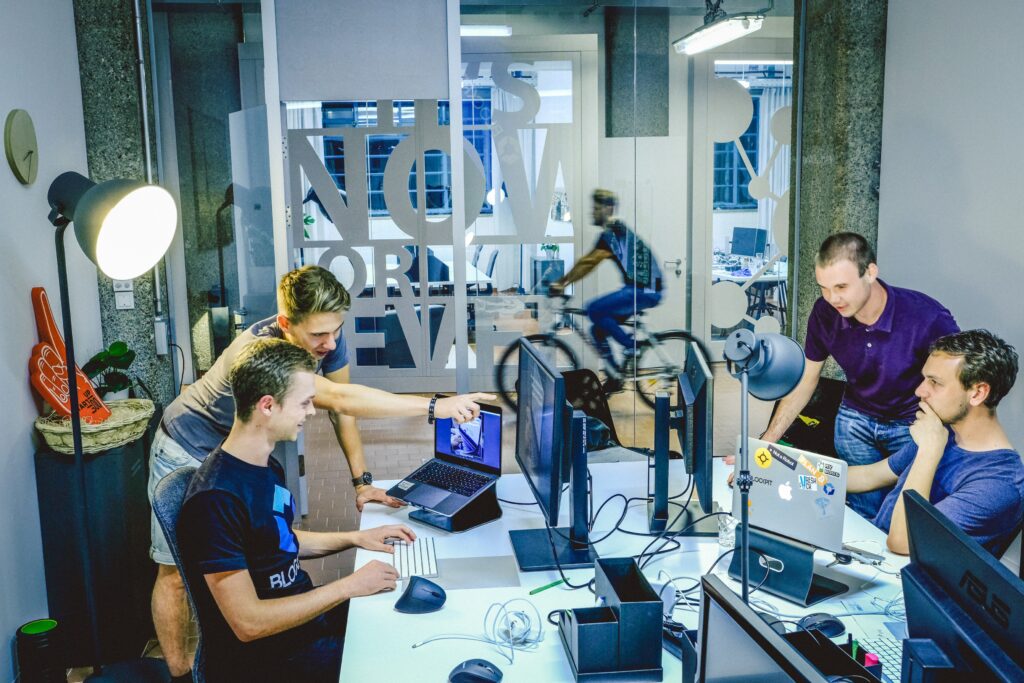
Part of Tabakfabrik’s recipe for success was its consistent focus on a diverse settlement strategy based on a synergetic mix. Preference was not given to wealthy tenants, but to those who were the best fit.
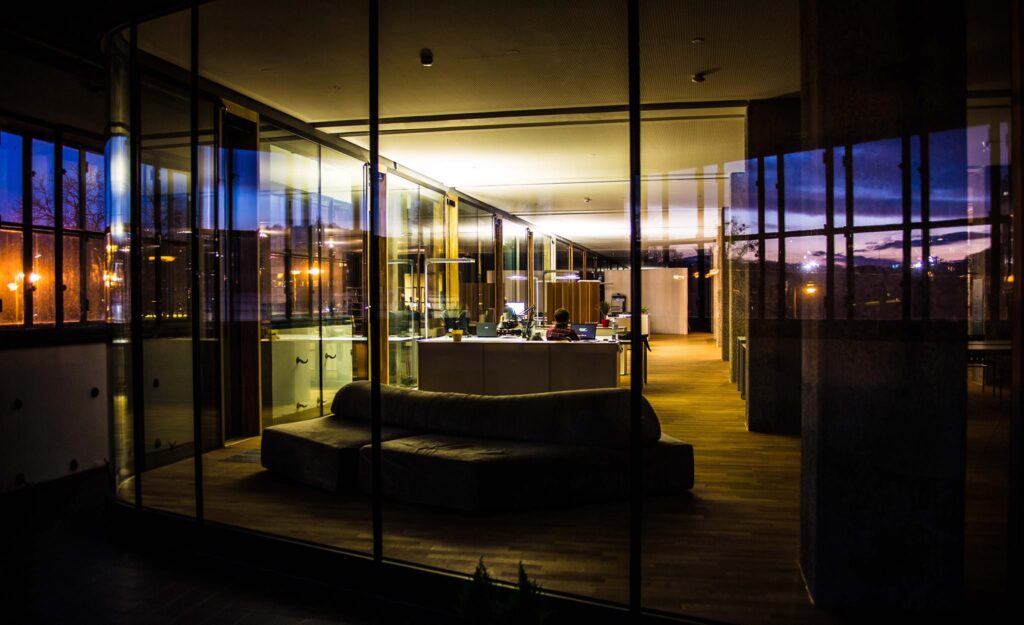
In addition, the concept not only responds to current trends, but also focuses on sustainability. This does not just mean the more than 100 trees that have been planted on the site. Thanks to the educational opportunities offered by the University of Art (Fashion & Technology, Creative Robotics and Tangible Music Lab), the Fadinger-Gymnasium (robotics and digitalization), the Evangelisches Oberstufenrealgymnasium ROSE (digital humanism) and the VALIE EXPORT Center Linz, Tabakfabrik is training the skilled workers of tomorrow.
284 people worked at Tabakfabrik Linz at the end of cigarette production before it was finally closed by JTI in 2009. It was therefore important for the urban development of Linz to buy back the site and reopen it. An effort that has paid off. The total investment made in the site amounts to around EUR 250 million.